Field note
Quick answer
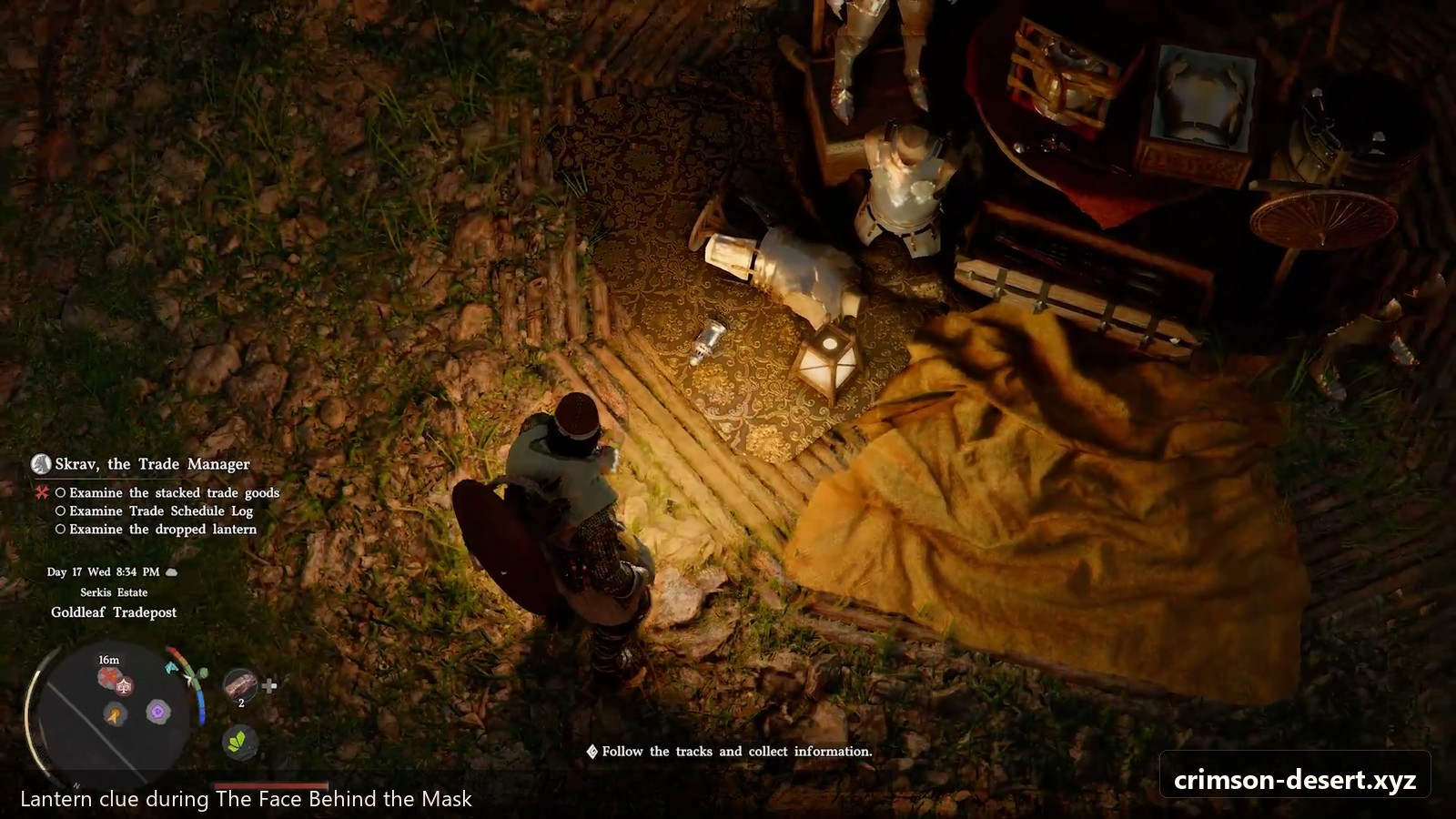
When Lantern or Visione tracking feels stuck, stop at the last objective area, equip the relevant view, and scan the immediate path before travelling farther. The clue is often local to the scene that triggered it.
Read the visual layer as a route hint rather than a decoration. Use landmarks to keep your position, compare the clue with the current objective, and only return to the map after the prompt has clearly advanced.
Route context
Use this page with: Beginner Tips Puzzle Tools Prologue Walkthrough
Lantern and Visione Tracking is a small habit guide for players who want Crimson Desert to feel less fussy. The game gives you a lot of freedom, but it also rewards simple preparation: a clean route, a familiar tool, and a quick check before you commit to a long ride.
What To Do First
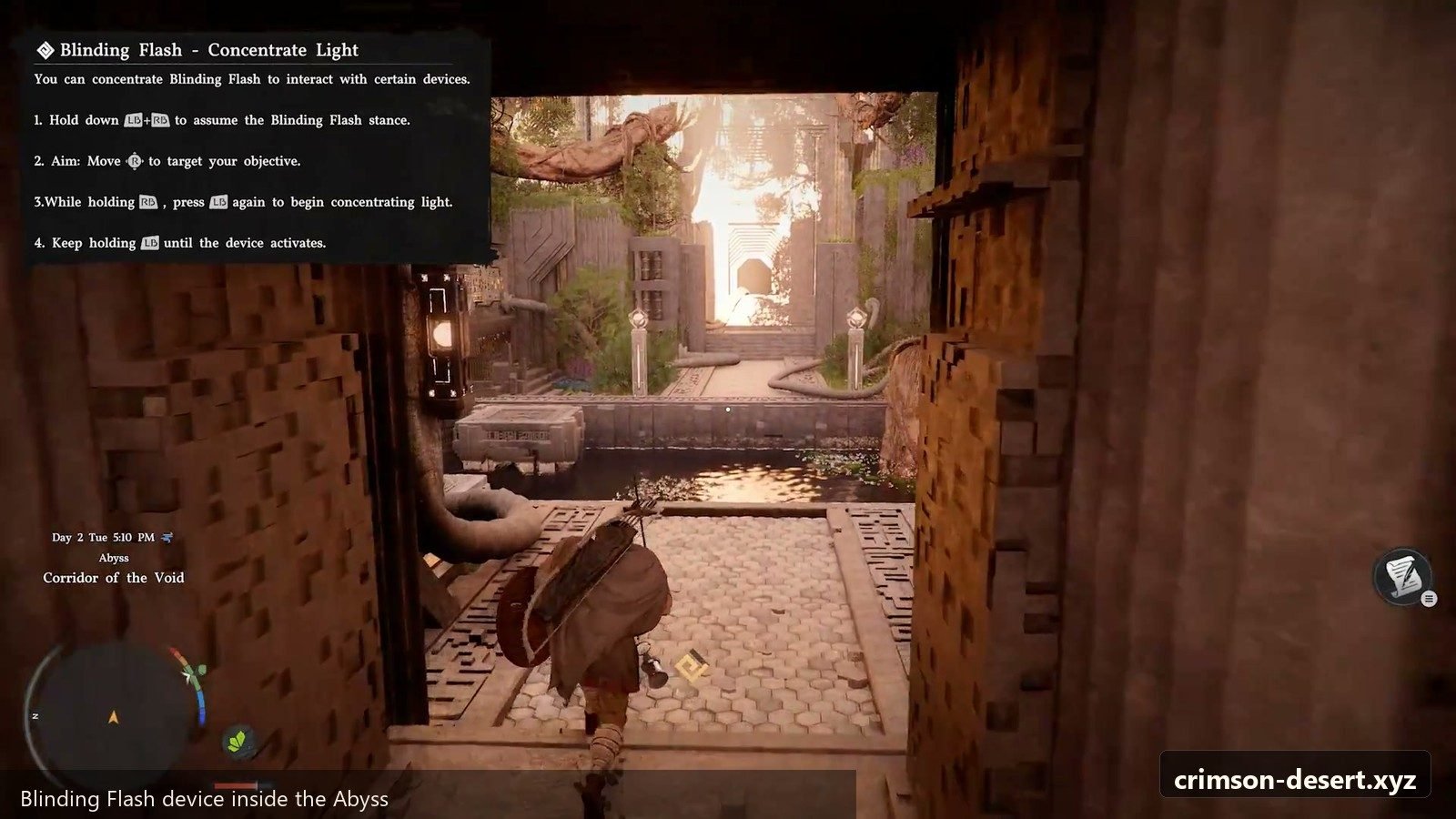
Before you chase the next marker, open the map and decide whether the task is a fight, a puzzle, or a travel problem. That one decision changes what you should carry and how carefully you should move. If the route includes a ruin or a camp, prepare for interruptions even if the objective looks harmless.
Practical Habit
- Keep healing ready before interacting with suspicious objects.
- Use landmarks instead of only trusting the marker.
- Change equipment at camp, then test it before the hard part begins.
- When a route feels unclear, reread the newest objective line instead of wandering wider.
Why This Matters
Advice like this sounds basic until it saves a reload. The best Crimson Desert habits are not flashy; they keep you from losing five minutes to a missed switch, an empty heal slot, or a fight you entered with the wrong setup.
Keep Reading
Extra Field Note
For Lantern and Visione Tracking, the useful habit is to slow down at the moment the game changes your objective. That is usually where the route gives you the clue you need. Check the landmark, confirm the next instruction, and avoid turning a small task into a long search.
This page is meant to make the route easier to read, not to replace the fun of exploring Pywel. Use the notes when you need direction, then let the game breathe when the path opens up again.
Small Details Worth Checking
With Lantern and Visione Tracking, I would also pay attention to the quiet parts of the route: where the camera turns your eye, which NPC stays interactable after the main step, and whether the area has one more climbable edge or side room before you leave. Those details are not always required, but they are often where Crimson Desert hides useful materials or a cleaner route back.
If you are reading this during a first playthrough, use the page in pieces. Solve the immediate problem, return to the game, and only come back when the next objective feels unclear. That keeps the guide helpful without making the whole chapter feel pre-chewed.
Why I Would Keep This In Mind
Lantern and Visione Tracking is one of those topics that feels minor until it costs you momentum. A good Crimson Desert route is usually not won by doing one clever thing; it is won by avoiding three small mistakes in a row. Keep your healing prepared, check the latest objective wording, and use nearby landmarks to confirm you are solving the right problem.
When I revisit this page, the first thing I would add is more exact screenshot timing from the route. Until then, the safest way to use the advice is to treat it as a checklist before you commit to a boss, puzzle, or long travel segment.
Why This Tip Matters
Lantern and Visione Tracking is the kind of advice that quietly saves time. Crimson Desert usually does not punish one mistake in isolation; it punishes a chain of small ones: entering a fight with no healing, chasing a marker without reading the updated objective, or leaving camp before checking the route ahead.
Use this page as a pre-route habit check. If the next objective involves travel, prepare your mount and landmarks. If it involves a puzzle, slow down and read the newest clue. If it involves combat, keep your build familiar enough that you can focus on the enemy instead of your own buttons.
Quick Habit Check
- Do I know where the nearest safe reset point is?
- Do I have healing ready before interacting with the next objective?
- Did the objective wording change after the last conversation or pickup?
- Is this a good time to explore, or should I finish the active chapter beat first?