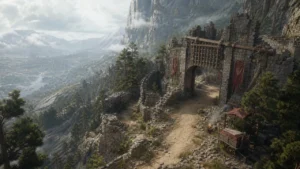

Quick answer
- Re-Blockade is becoming more of a repeatable stronghold loop, not just a one-off retake.
- Contribution and suppression mechanics matter because they can decide whether a run feels rewarding or wasted.
- Prepare like you are defending a route, not simply clearing another camp.
Re-Blockade works best when you stop thinking of it as a second visit to the same old stronghold. The newer direction is closer to a pressure system: enemies return, the area needs defending, and your reward should match how well you manage the situation.
What the contribution idea changes
A contribution assessor, by design, makes the game care about more than whether the last enemy fell over. If the system is tuned well, players who protect key points, suppress enemy pressure, and keep the route under control should feel a difference.
How to approach a Re-Blockade run
- Scout the stronghold edge before starting the defense.
- Find where enemies are likely to enter, not only where they stand now.
- Keep a build that can handle both groups and heavier targets.
- Do not chase every enemy if a protected point is under threat.
- Check rewards and contribution feedback immediately after the run.
The common mistake
The obvious mistake is playing Re-Blockade like a normal enemy camp. A camp clear rewards aggression. A defense loop rewards judgment. Sometimes the better play is holding ground instead of sprinting toward the loudest fight.
When to farm it
Farm Re-Blockade only once you understand its reward rhythm. If the contribution payout is tied to performance, lazy runs will probably feel bad. Learn one stronghold well, then decide whether it belongs in your weekly route.
Keep repeatable-activity advice tied to confirmed rules
Stronghold systems are easy to overstate while they change. Confirm which contribution, suppression, reward, and reset rules are live in your version before planning a long run. Set a clear stop condition, such as one objective or resource target, so a repeatable activity teaches you something instead of quietly consuming an evening.
News and roadmap pages are most helpful when they tell readers how certain a claim is. Separate what is already live, what a developer has announced, and what players are hoping for. That distinction lets someone make a decision today without mistaking a future-facing statement for a finished feature.
Before acting on a patch or platform claim, look for the latest dated official note and check your own version. Community discussion can point to an issue worth watching, but it should not replace the source that confirms availability, timing, or the final rules.
When a detail remains unclear, say so plainly. A useful update page can tell a reader to wait for confirmation, keep a backup, or test a low-risk route instead of pretending a rumor is settled. That restraint builds more trust than a confident answer that becomes obsolete one patch later.
Before you move on
- Confirm live rules in the current game and official notes.
- Set a stop condition for each session.
- Learn the route with one clean run before optimizing rewards.
- Label planning language separately from tested mechanics.